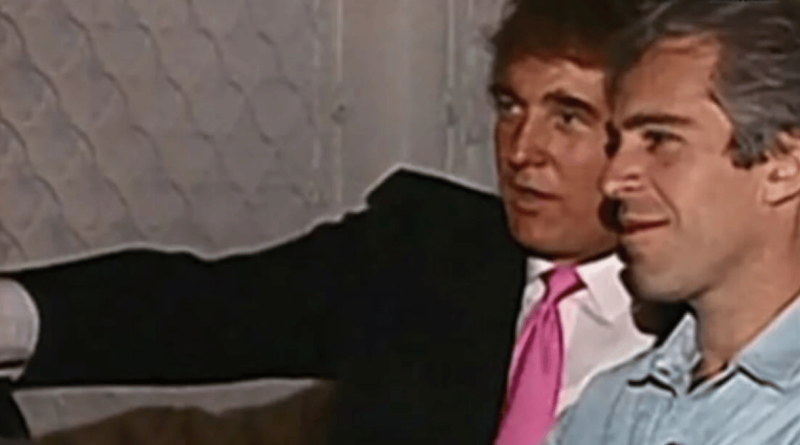
Epstein Files Say Victim Accused Trump and Epstein of Rape Before Dying by Apparent Suicide
A resurfaced FBI intake document connected to the Jeffrey Epstein investigation is circulating again, and the details are heavy.
The document, dated October 27, 2020, is an unclassified intake report summarizing information provided to the Federal Bureau of Investigation related to Jeffrey Epstein and Ghislaine Maxwell. According to the report, a caller relayed secondhand accounts involving a woman who claimed she was raped by Jeffrey Epstein and Donald Trump in the late 1990s. The intake notes also include statements attributed to a limousine driver who said he overheard Trump speaking with someone he referred to as “Jeffrey” while riding in the back of a limo, allegedly making comments about abusing girls.
The report describes the caller recounting events from around 1997 through 1999, including claims that the woman and her daughters were introduced to wealthy individuals, taken to hotels, and provided money. The intake further states that after the woman reported what she said happened, she later died in January 2000. Her death was ruled a suicide, but according to the document, responding officers reportedly did not believe it was a suicide at the scene.

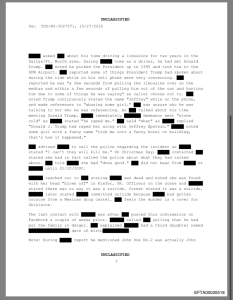
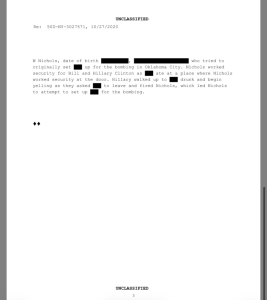
The intake goes on to describe fear expressed by those connected to the woman, including concerns about retaliation and safety after police were contacted. The information is presented as allegations and recollections shared with the FBI, not as findings from a trial or conclusions reached by investigators.
It is important to be clear. An FBI intake document records what was reported to the agency. It is not a determination of guilt, and the allegations described have not been adjudicated in court. Still, the document’s existence matters because it shows the scope of claims that were brought to federal authorities and the seriousness of what people believed they witnessed or experienced.
Epstein’s abuse network has long been surrounded by questions about who knew what, who looked away, and why accountability has been so limited. Seeing Trump’s name appear in a federal intake summary tied to allegations this severe is jarring, especially when paired with a reported death that law enforcement at the scene allegedly questioned.
These files are not a verdict. But they are a reminder of how many voices came forward, how many warnings were logged, and how often the system failed to deliver answers or protection.